October 21, 2025
New simulation training center for future medical professionals
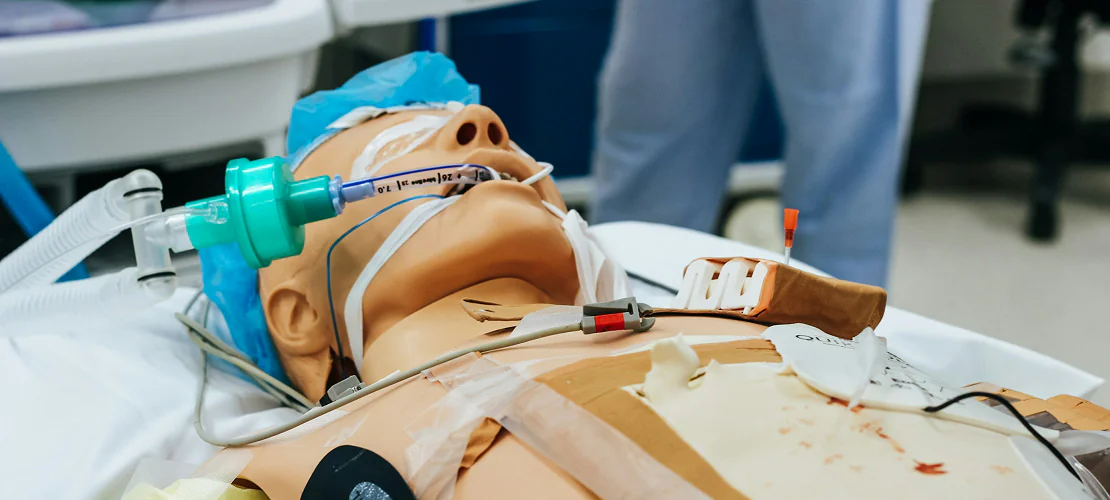
UniLevel University has taken another major step toward enhancing practical, real-world medical education with the official opening of its state-of-the-art Simulation and Clinical Skills Training Center.
The new facility provides students with a safe, immersive environment to practice clinical procedures, sharpen decision-making skills, and build confidence — all before entering a real hospital.
What’s inside the center?
The center is equipped with:
- advanced medical simulators that respond to student actions in real time;
- fully equipped zones for patient interaction, emergency care, and diagnostic procedures;
- video monitoring and feedback systems for post-simulation analysis and discussion;
- a layout that supports interdisciplinary training, allowing doctors, nurses, and other healthcare students to learn as a team.
The new facility provides students with a safe, immersive environment to practice clinical procedures, sharpen decision-making skills, and build confidence — all before entering a real hospital.
How will it impact students?
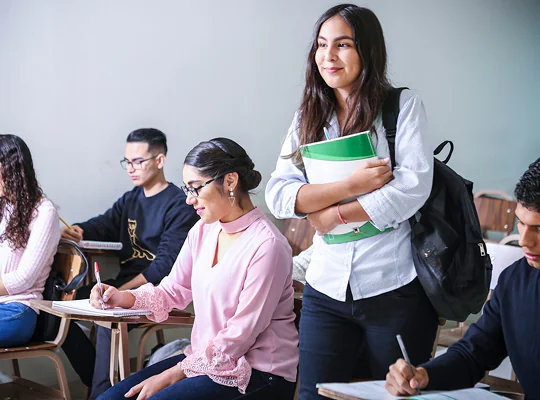
Starting this academic year, simulation-based sessions will become a core part of the curriculum for 2nd–6th year students. The university also plans to introduce certified training courses for interns, residents, and practicing healthcare professionals.
Professor Nino Tsiklauri, Dean of the Faculty of Medicine
«We believe that quality medical education is impossible without hands-on training. Our new simulation center gives students a chance to learn through experience — without the risk to real patients — and to enter clinical practice fully prepared.»
What’s next: virtual reality in medicine
Looking ahead, UniLevel is preparing to integrate virtual reality (VR) into its training programs. This will allow students to simulate rare and high-risk scenarios, such as trauma response and surgical interventions, with full immersion.
- video monitoring and feedback systems for post-simulation analysis and discussion;
- advanced medical simulators that respond to student actions in real time;
- a layout that supports interdisciplinary training, allowing doctors, nurses, and other healthcare students to learn as a team;
- video monitoring and feedback systems for post-simulation analysis and discussion.
Starting this academic year, simulation-based sessions will become a core part of the curriculum for 2nd–6th year students. The university also plans to introduce certified training courses for interns, residents, and practicing healthcare professionals. More than 250 students have already taken part in pilot sessions. Over 90% said that the realistic setting and feedback improved their clinical thinking and performance.
UniLevel University continues to invest in an academic environment where science, innovation, and hands-on experience come together — because this is how the doctors of the future are trained.